bluewhalestudio.co.uk
Professional Giclee Printing and Artwork Reproduction in Norfolk and Norwich.
Blue Whale Studio provides professional artwork photography, colour-accurate digitisation
and museum-quality giclee printing for artists and photographers in Norfolk, Norwich and across the UK.

FREQUENTLY ASKED QUESTIONS
Some of the more common questions asked by our clients
Frequently Asked Questions – Blue Whale Studio
1. What is giclée printing?
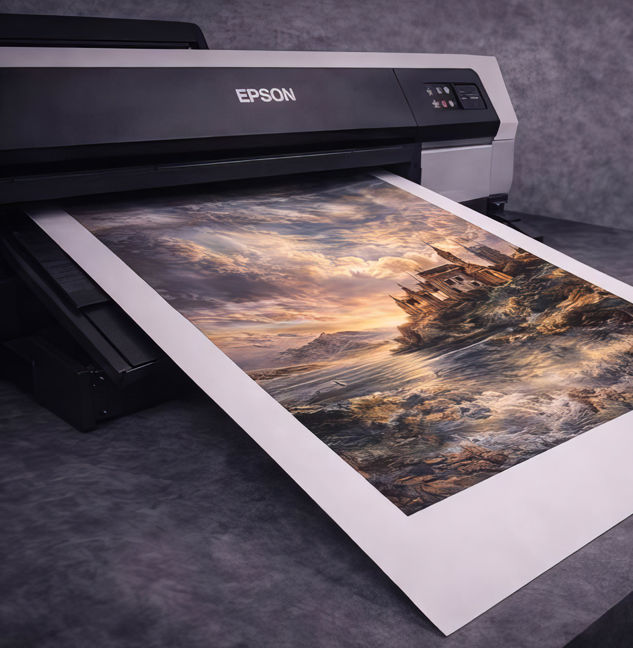
Giclée printing is a high quality digital printing process used to reproduce artwork with exceptional colour accuracy and detail. It uses professional large format printers and archival pigment inks on fine art papers to produce museum quality prints that are designed to last for decades.
2. What types of artwork can be reproduced?
Most types of artwork can be reproduced, including pencil drawings, watercolours, oil paintings, acrylic paintings, illustrations and photography. The artwork is first captured using high resolution photography or scanning before being colour matched and printed.
3. How long do Giclee prints last?
When printed using archival pigment inks and museum grade fine art papers, giclée prints can remain stable for many decades without noticeable fading when displayed under normal indoor conditions and away from direct sunlight.
4. What papers do you print on?
Blue Whale Studio uses a carefully selected range of archival fine art papers, including premium Hahnemühle cotton rag papers. These papers are specifically designed for fine art printing and provide excellent colour reproduction, texture and longevity.
5. Can you help produce limited edition prints?
Yes. We regularly work with artists producing limited edition prints. We can help prepare artwork for printing, ensure accurate colour reproduction and produce consistent prints across the entire edition using professional giclée printing techniques.
6. How should I price my limited edition prints?
A common guideline in the art market is that the original artwork should be priced significantly higher than the prints produced from it. This helps preserve the value of the original while allowing collectors to purchase prints at a more accessible price.
7. Do I need a digital file of my artwork?
No. If you have a physical painting or drawing, the artwork can be professionally photographed or scanned to create a high resolution digital file suitable for producing fine art prints.
8. Can I choose different papers for my prints?
Yes. Different papers can produce different visual effects depending on the artwork. For example, textured cotton rag papers work beautifully with drawings and paintings, while smoother papers are often preferred for photography.
9. How many prints can I produce in an edition?
The edition size is entirely up to the artist. Some artists choose small exclusive editions, while others produce larger editions to make their work accessible to
a wider audience.
10. How do I get started with producing prints?
The best way to begin is simply to contact the studio to discuss your artwork and what you would like to achieve. We can guide you through the process from capturing the artwork to producing the final giclée prints.